Choosing the right chicken waterer is one of the most important decisions you can make for the health, comfort, and productivity of your flock. Clean, consistent access to fresh water supports digestion, egg production, and overall immunity. With so many styles and features available, understanding what to look for will help you select a solution that keeps your chickens hydrated year-round while minimizing maintenance.
Why the Right Waterer Matters
Water is essential to every aspect of a chicken’s well-being. Chickens drink more water than food by volume, especially during warm weather or when laying eggs. A poorly designed waterer can lead to spilled water, contamination from dirt or droppings, or limited access for certain birds. These issues not only create extra work for you but can also contribute to dehydration, stress, and illness within your flock.
Choosing a high-quality chicken waterer ensures your birds always have clean water available and reduces the risk of bacteria growth that can thrive in stagnant or dirty containers.
Consider Your Flock Size
One of the first factors to consider is how many chickens you have. Small backyard flocks may do well with a simple gravity-fed waterer, while larger flocks often need a higher-capacity option to avoid constant refilling. As a general rule, chickens should never have to compete for water. If you notice crowding or empty water containers, it’s time to upgrade or add an additional unit.
Evaluate Waterer Types
There are several types of waterers available, each with its own advantages:
- Gravity waterers are affordable and easy to use, making them popular for beginners. However, they require regular cleaning and refilling.
- Nipple waterers help keep water cleaner by preventing contamination from dirt and bedding. They are ideal for reducing waste but may require training for birds unfamiliar with them.
- Automatic waterers connect to a hose or water line and provide a continuous supply of fresh water, which is convenient for busy chicken keepers.
- Heated waterers are essential in colder climates, preventing water from freezing during winter months.
Selecting the right chicken waterer type depends on your climate, time availability, and the behavior of your flock.
Focus on Cleanliness and Durability
A good waterer should be easy to clean and made from durable materials. Smooth surfaces prevent algae buildup and make scrubbing faster. Look for BPA-free plastic or rust-resistant metal to ensure long-term use. Regular cleaning is easier when the waterer can be fully disassembled or has a wide opening for access.
Durability is especially important if your chickens are active or tend to knock things over. A sturdy design helps prevent spills that can turn your coop or run into a muddy mess.
Placement Makes a Difference
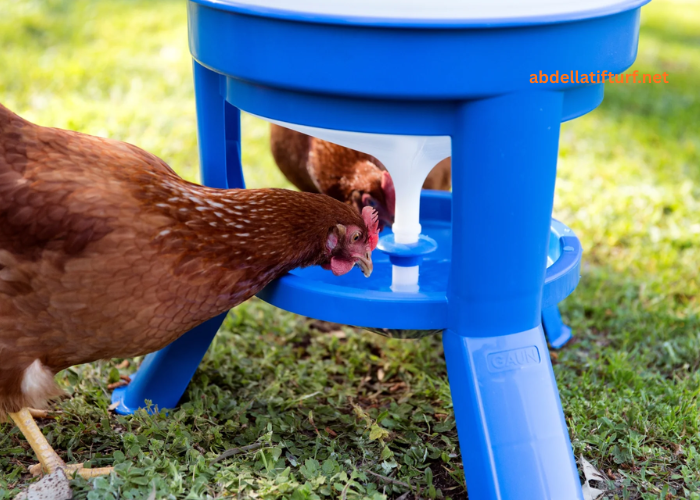
Where you place your chicken waterer affects how clean and accessible it stays. Elevating it slightly off the ground helps reduce contamination from dirt and bedding. Make sure it’s positioned at a height that allows all birds, including younger or smaller chickens, to drink comfortably.
In hot weather, placing the waterer in a shaded area helps keep water cooler and encourages chickens to drink more often.
Seasonal Considerations
Your water needs may change throughout the year. During summer, larger capacities or multiple waterers help ensure constant hydration. In winter, insulated or heated options prevent freezing and reduce the need for frequent checks. Planning for seasonal changes keeps your flock comfortable in all conditions.
Making the Best Choice
The best chicken waterer is one that fits your flock’s size, environment, and your daily routine. By focusing on cleanliness, capacity, durability, and proper placement, you can provide reliable access to fresh water that supports healthy, happy chickens. Investing in the right waterer today saves time, reduces stress, and helps your flock thrive for years to come.